Train with the Best in Spring, TX: Condition 1 Combat Center martial arts
Spring sits in that sweet spot between Houston’s bustle and quiet neighborhoods where people still know their neighbors. It is a place where families put roots down, commutes are long enough to matter, and evenings are valuable. When you commit that time to training, you want to know you are stepping into a room that respects your goals and pushes you to meet them. That is the draw behind searching for Condition 1 Combat Center martial arts. You are not just hunting for a hobby, you are looking for a team that treats self defense, fitness, and personal growth as a craft.
Whether you arrive with a wrestler’s base, zero experience, or a background in another system, a quality program meets you where you are. The right gym teaches you to breathe in a bad position, keep your feet under pressure, manage adrenaline, and, if you ever need it, get home safe. That is what people have in mind when they look up condition1combat.com martial arts or self defense classes condition1combat.com. The search is practical. So is the training.
What makes a program in Spring, TX worth your time
The best facilities in this area share a few traits that matter more than flashy slogans. Classes run on time. Coaches explain not just how to do a movement, but why it works and when it fails. Drills are built with intent, first developing coordination and awareness, then adding resistance, then tying the skill into a live problem. Safety is baked into the culture. If you are thinking about Condition 1 Combat Center martial arts classes, that checklist should frame your first visit.
A strong program balances three lanes. First, fundamentals that never expire, footwork you can recall under stress, frames that protect your neck and ribs, grips that survive sweat and fatigue. Second, progressive resistance, because a move that works only on a cooperative partner is a choreographed dance, not self defense. Third, conditioning that transfers to real application, short sprints, loaded carries, positional isometrics, not just endless burpees for their own sake. People sometimes underestimate how far two or three well-planned sessions per week can shift their baseline. Over a 12 week span, you can improve resting heart rate by 5 to 10 beats, shed a few percentage points of body fat, and, more important, grow the confidence to use your skills under pressure.
A realistic picture of self defense training
Search terms like condition1combat.com self defense classes often point to one-sided marketing promises. Real self defense work is less glamorous. It starts with awareness and boundary setting, the quiet skills that stop problems early. You learn to hold your space with posture and voice, align your hips behind your words, and back away at an angle rather than in a straight line. The next layer is tactile. You practice how to clear grips on your jacket or backpack strap, break posture if someone tries to drag you, and use frames to stand up when pinned in a corner.
Impact training matters, but it should be properly dosed. Pad rounds with clear combinations teach you to hit a target without sacrificing balance. You should learn to protect your hands, keep your wrists stacked, and line your strikes behind your center of mass. If sparring is offered, it should be tiered, light contact for newer students, scenario-based work for those focused on self defense, and competition rounds for those who seek that path. An experienced coach will keep your training partners honest and respectful. Half of effective self defense is decision making. The other half is doing simple things well under stress.
Kids classes that build more than medals
Parents around Spring look for Condition 1 Combat Center kids martial arts because the discipline, coordination, and confidence translate beyond the mat. A well-run kids program moves like a rhythm. It starts on time. It sets expectations clearly. It uses short, digestible segments, three to eight minutes per drill for younger kids, a little longer for teens. It blends games with purpose, shark drills to practice escaping bottom positions, relay races to reinforce movement patterns, guard retention games that teach angles and frames without heavy jargon.
Progression should be visible, but not rushed. For ages 5 to 7, focus stays on balance, safe falling, basic grips, and listening skills. Ages 8 to 12 can handle more positional context, hold-downs, escapes, and simple takedowns that do not end in a pile of limbs. Teens get more accountability and contact appropriate to their maturity and goals. In a good room, you will see mixed skill drills where a newer teen pairs with a mentor who helps without dominating. That is how you build a culture that keeps kids coming back.
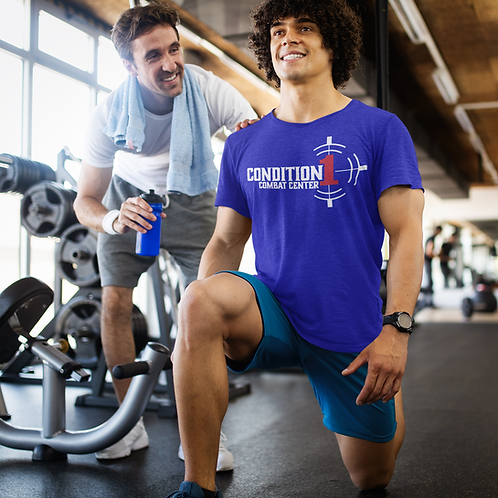
When parents type kids martial arts condition1combat.com or condition1combat.com kids martial arts, they are usually weighing two questions. Will my child be safe, physically and emotionally, and will this help at school and at home. The right coaches answer both by example. They correct with calm voices, praise effort over talent, and make it normal to try, fail, and try again. From a results standpoint, watch for improved posture, better sleep, and more consistent follow-through on chores within the first month. Those are early markers that the program is doing more than tiring kids out.
Adults, from first steps to advanced training
Adults often arrive with two priorities, get in shape and learn something that works. Condition 1 Combat Center adult martial arts training, like other serious programs in the Houston area, usually separates fundamentals and advanced work so beginners do not feel lost and experienced students can deepen their game. A beginner track might center on defensive structure, open and closed guard basics, standing posture, clinch entries, and core strikes, jab, cross, low kick, elbow, knee, integrated with hand fighting. Advanced tracks tend to involve layered combinations, counters, chain submissions, takedown setups, and live situational rounds.
If you are searching for adult martial arts training condition1combat.com, you probably also care about schedule fit. After-work classes that start between 6 and 7 pm make sense for commuters. A lunchtime class that begins at 12 or 12:15 pulls a different crowd. Morning sessions help parents and shift workers. When you visit condition1combat.com adult martial arts training pages, check for two details that signal good planning. First, a fundamentals option almost every day, not just once or twice a week. Second, a posted contact channel for questions about which class to try first. Small touches like that show a program built for real lives, not just an ideal schedule.
A coach’s-eye view of class flow
A well-run 60 to 90 minute class will feel like a single conversation. The warm-up should not be a gauntlet, it should prepare the exact joints and patterns you are about to use. Hips, shoulders, neck, ankles, and midline, in that order, with movements that scale to age and ability. Technical instruction lands best in sets of two to four details at a time, not a firehose of steps. Drilling then tightens those details with reps that build timing. The best instructors watch your feet, not just your hands, because feet tell the truth about balance and direction.
Sparring or controlled positional work, if offered, happens near the end when bodies are warm and minds are focused. It is common to rotate partners every one to three rounds so you do not adapt only to one person’s style. Round lengths vary, two to five minutes for technical rounds, longer for advanced sessions. In a self defense track, rounds might be scenario based. Lights slightly dimmed, music at a low hum to simulate noise, a training weapon introduced under supervision, or a “start in a bad position” round. The point is to inoculate against the surprise of pressure while keeping your nervous system inside a safe window.
What to bring, what to expect in week one
- Lightweight athletic wear, a spare shirt, and a small towel. If a uniform is needed, most gyms have loners for the first class or two.
- Water bottle with a secure lid. Plan on 16 to 24 ounces for a one hour class, more if it is hot.
- A notebook or note app. Jotting two or three cues per technique helps retention.
- Trimmed nails, simple hygiene kit, and flip flops for walking off the mat. This keeps the training surface clean and reduces skin issues.
- A respectful mindset. Arrive ten minutes early, introduce yourself to your partner, and tell them if you have any injuries to protect.
Expect the first class to feel busy in the best way. You will learn names. You will sweat. Movements might feel awkward. That is normal. Good coaches spot it, adjust drills, and give you a win, a single rep that clicks so your brain marks the route. Over the first three to four sessions, your stance will settle. You will stop holding your breath. You will start to anticipate what a partner is about to do. Those are the signals that you are on track.
Safety, injury prevention, and training smart as an adult
Adults carry old ankle sprains, stiff lower backs, cranky shoulders. Smart programming accounts for that. Warm-ups that mobilize ankles through dorsiflexion and eversion protect knees during pivots. Shoulder activation for rotator cuffs, band work or light external rotations, helps when you start posting or framing. Hip hinge drills reduce the strain of bending forward under fatigue. If a class uses throws or takedowns, you should learn to fall safely before anyone accelerates you toward the ground. Any place that prioritizes long-term training will treat these as non-negotiables.
Listen to pain signals. Sharp or electric pain is a stop sign. Dull ache, work with your coach and adjust. A good rule is to keep your breath and keep your structure. If you lose either, reset. Three sessions per week is a sustainable cadence for most adults with families and jobs. Two sessions still move the needle. Four can work if sleep, nutrition, and recovery are dialed. Over a year, consistency beats intensity. The people who last are the ones who show up at 70 percent on a rough day and stack small wins.
Culture counts more than any single technique
You can spot a healthy room within five minutes. People sweep the mat without being asked. New students are greeted, not ignored. Partners switch sides and help each other get reps. Humor lives alongside focus. Coaches demonstrate humility, they tap or get tagged and keep teaching with a smile. That tone flows outward. For families searching martial arts classes Condition 1 Combat Center or condition1combat.com martial arts classes, culture should matter as much as curriculum. It affects whether your child wants to come back after a tough day. It affects whether you, as an adult, trust your partners to take care of each other during live rounds.
One detail that often gets overlooked is how questions are handled. In a strong gym, students ask questions in public. Coaches answer without shaming. You hear phrases like, “Here is when that works,” and also, “Here is when it breaks.” They show counters to their own techniques. That kind of transparency builds critical thinkers, not just compliant movers.
Costs, gear, and realistic budgeting
Pricing varies across Greater Houston. For unlimited group classes, expect a monthly range that reflects facility size, coach experience, and program breadth. Some places offer class packs or twice-per-week options at a lower rate. Family discounts are common when multiple members enroll together. When you check martial arts classes condition1combat.com pages, look for how they handle commitments. Month to month membership with a clear cancellation policy respects customers. Seasonal commitments sometimes reduce cost but read the terms.
Gear can be simple at first. If classes include grappling, you may need a uniform or rash guard and shorts. If classes include striking, start with hand wraps and a basic pair of gloves. Mouthguards are a smart idea even if contact is light. Shin guards come later if you explore kick-heavy work. Good programs will guide you away from buying gimmicks and toward durable basics. The first month is for building habits, not filling a gear bag.
Parents’ corner: transferring lessons home
Parents often tell me the quiet value appears at home around week three. A nine year old who usually melts down at homework time pauses, breathes, and finishes a worksheet without a scene. That is not magic. Class drills teach kids to control arousal. Stance, eye contact, calm breath. Those skills transfer to hard math problems and sibling conflicts. The same child who learned to bridge and shrimp out from under a bigger partner also learns to navigate a playground push without panic. When you read about kids martial arts Condition 1 Combat Center, that is the texture behind the phrase confidence building.
Set expectations early. Choose two days per week that you can keep. Put uniforms in the same place after each laundry cycle. Praise effort, not just performance. Ask your child to teach you one drill on the living room rug. When they become the teacher for five minutes, they encode the movement more deeply and feel proud of their progress.
Pathways for different goals
Not everyone walks in with the same destination. A 42 year old parent wants sustainable fitness and real self defense. A college student might want the challenge of competition. A retired firefighter might be rebuilding a post-injury body. Good programs map those paths without forcing anyone into a single mold. You can attend fundamentals four nights a week and never step into a tournament. You can try one or two competition camps per year if that lights you up. You can live in the self defense track and spend most of your time on scenario-based skills, situational awareness, and force-on-force drills with protective gear.
The key is clear communication. Tell your coach your aim. If you say, “I want to get fit, protect my family, and avoid injuries,” a thoughtful coach will build a progression with you, steady rounds, low-impact conditioning, positional work that keeps your joints safe, and practical tactics. If you say, “I am chasing a gold medal,” expect more volume, tighter technical demands, and honest feedback about your strengths and weaknesses.
Signs you have found the right place
- Coaches remember your name and your goals by the second or third visit.
- Fundamentals classes feel challenging, not confusing, and live rounds are controlled.
- Hygiene standards are visible, clean mats, posted rules, and people follow them.
- Partners communicate, they check in on pace and intensity, then keep it consistent.
- The gym points you to condition1combat.com and answers the phone or email when you reach out.
Those signals sound small, but they point to something larger, respect. Respect for your time, your money, your body, and your trust. When those pieces are in place, skill builds faster.
Frequently asked questions, answered with honesty
How quickly will I see progress? In the first two weeks you will stop holding your breath. By week four you will feel more stable. By month three, patterns become automatic. Strength and conditioning changes often show up in eight to twelve weeks if you are consistent two to three times per week.
Will I get hurt? Risk exists in any contact activity. A well-run facility keeps injuries rare and minor. Expect small bruises, sore forearms, and tired hips. Red flags would be chaotic sparring, pressure to go harder than you want, or disregard for hygiene. Walk away from that.
Do I need to get in shape first? No. Training gets you in shape. If you want a head start, walk 20 to 30 minutes three times per week and add two sets of bodyweight squats and pushups, even from knees. That foundation helps your first month feel smoother.
What about age? I have seen beginners start in their 50s and 60s. You adjust pace and choose options that respect your joints. The goal is to leave class feeling better than when you arrived.
How do I start? Visit condition1combat.com martial arts or call the number on the site. Ask for a fundamentals class that matches your schedule. Tell them any concerns, old injuries, or goals. Show up ten minutes early. That is the whole secret.


Final thoughts for Spring, TX students and families
Training is an investment with compounding interest. The first deposits are small, two classes per week for a month. Then you notice the returns, steadier energy, calmer reactions under stress, a body that moves with more purpose. If your mouse hover has already found its way to self defense classes condition1combat.com or martial arts condition1combat.com, the next step is simple. Walk in, shake hands, and try a class.
In a town like Spring, your time matters and your choices ripple through your family. A strong program respects that. It gives kids structure without crushing curiosity. It gives adults challenge without beating them up. It delivers practical self defense without theatrics. That is what training with the best looks like, hour by hour, round by round. Whether your goal is kids martial arts Condition 1 Combat Center, adult martial arts training Condition 1 Combat Center, or a focused self defense path, your future training partners https://elliottijlh437.terracolumn.com/posts/condition-1-combat-center-martial-arts-for-every-age are already on the mat building the skills you want. You will know you are in the right place when the work is honest, the room is kind, and you leave tired, smiling, and hungry for the next session.